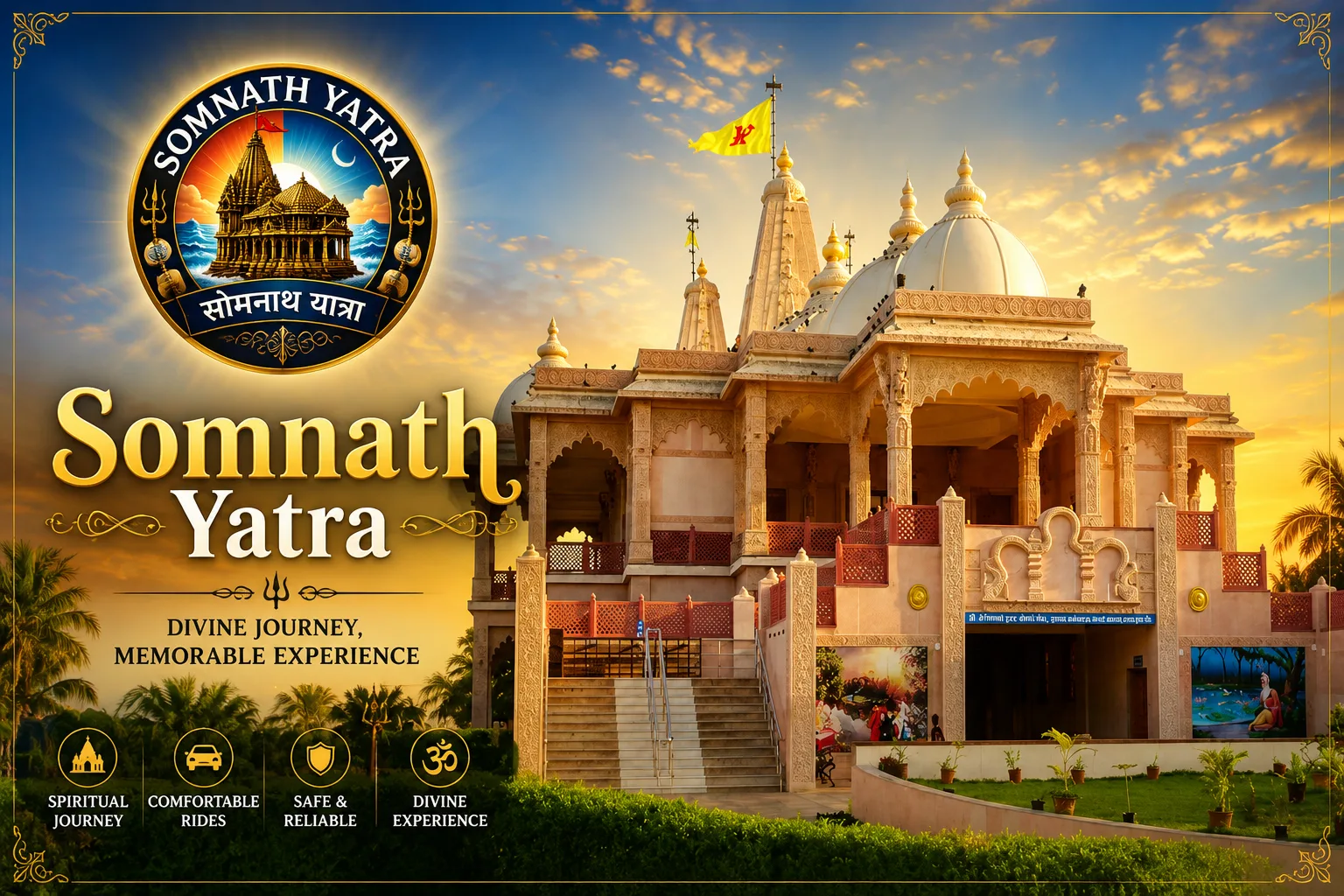
Ram Mandir Somnath: The Complete Guide for Travelers
Smaller shrines once dotted Gujarat’s coastline. Before Somnath’s Jyotirlinga became the region’s biggest religious draw, these modest temples served local communities. One of them—Ram Mandir—survives. Tourists walk past without noticing. That’s their problem, not yours.
You found this guide. Which means you’re looking for something beyond the standard pilgrimage itinerary. Good. Because Ram Mantir delivers precisely what Somnath’s massive complex cannot: closeness. Stand before the deities without being shoved. Hear your own prayers. Feel something real instead of watching tourists photograph everything in sight.
This article covers the essentials. What exists. When it was built. How to visit. What to expect. Skip the marketing language. Skip the superlatives. Just facts, delivered plainly, so you can plan properly.
History and Significance of Ram Mandir Somnath
Nobody agrees on the construction date. Historians argue about it. Some say medieval period—when Somnath grew important. Others blame the Marathas (18th century). The honest truth? We don’t know. Records are fragmentary. Temple histories in this region suffer from gaps.
What matters: the temple exists within Somnath’s religious ecosystem. Connected. Not separate. Somnath Temple attracts millions—first among twelve Jyotirlingas, Shaivite powerhouse. Ram Mandir provides counterbalance. Vaishnavite worship balanced against Shaivite devotion. Lord Ram (Vishnu’s avatar) alongside Lord Shiva.
Hindu tradition explains the pairing. Visiting Somnath without respecting Lord Ram? Incomplete pilgrimage. The deities aren’t rivals. They’re complementary cosmic forces—destruction meeting preservation. Both matter. Both deserve acknowledgment. The circuit completes only when you honor both.
Attacks damaged the temple. Same as Somnath. Centuries of invasions took their toll. Current structure reflects restoration work—traditional principles maintained, modern engineering added. Old carvings alongside new stone. History continuing, not ending.
Architecture and Design
Nagara style. Common across Gujarat. Rajasthan too. Verticality emphasized—shikhara reaching skyward. The spire doesn’t sit passive. It actively reaches. Pulls the eye upward. Intentionally.
Small. Compared to Somnath, Ram Mantir is modest. Deliberately. The compact space creates closeness. Devotees stand feet from deities—not yards away. The intimacy matters. You’re not observing from a distance. You’re present. Connected. Close enough to touch the divine.
- Shikhara – Main spire rising above sanctum, intricate Hindu motif carvings
- Mandapa – Pillared hall leading toward inner sanctum
- Garbhagriha – Innermost chamber housing murti of Lord Ram, Sita, Lakshman
- Carvings – Exterior walls depicting Ramayana scenes in stone
- Material – Locally sourced stone matching Somnath complex aesthetic
Interior carvings teach stories—Ram’s exile, Lanka’s bridge, Ravan’s defeat, Ayodhya’s return. Visual scriptures. For devotees who don’t read Sanskrit. The stone communicates through image, not word. Ancient storytelling methods. Still effective.
Ram Mandir Somnath Timings and Visiting Guide
Timing changes everything. Morning visits feel different from evening ones. Quieter. More personal. Evening visits offer atmosphere but lose the solitude. Decide what matters most to you.
| Timing | Details |
|---|---|
| Morning Opening | 6:00 AM – Temple doors open for morning darshan |
| Morning Aarti | 7:00 AM – Mangala Aarti (morning prayer ceremony) |
| Midday | 12:00 PM – Temple closes briefly for afternoon rest |
| Afternoon Reopening | 4:00 PM – Temple reopens for evening darshan |
| Evening Aarti | 7:00 PM – Sandhya Aarti (evening prayer ceremony) |
| Closing | 9:00 PM – Temple closes for the night |
Festivals disrupt normal schedules. Ram Navami. Makar Sankranti. Diwali. Hours extend. Special ceremonies happen. Crowds multiply. Verify with Somnath Trust before planning festival visits.
My advice—go early. The 6:00 AM opening offers something you can’t buy: silence. Few tourists. Cool air. Space to think. But if drama appeals more, Sandhya Aarti (7:00 PM) delivers—flickering oil lamps, conch shells, chants echoing off ancient stone. Pick based on what you need. Both options work. Neither is wrong.
Rituals at Ram Mandir follow the same cycle Hindu temples have maintained for centuries. Dawn. Midday. Evening. The structure is simple. But the atmosphere during aarti—when oil lamps flicker and chants fill the mandapa—is anything but.
Daily Rituals and Aarti Schedule
Every day follows a rhythm. Priests perform ceremonies unchanged across generations—abhishek, alankar, bhog, aarti. Devotees witness these rituals daily. Some return specifically for them.
- Mangala Aarti (7:00 AM) – First prayer of the day, performed at dawn with oil lamps and bells
- Bhog Aarti (12:00 PM) – Midday offering of food to the deities
- Sandhya Aarti (7:00 PM) – Evening ceremony, the most atmospheric of the day
- Shayan Aarti (9:00 PM) – Final prayer before the temple closes for the night
Sandhya Aarti draws the largest crowds. Timing matters—7:00 PM falls just after sunset, when the temple shifts from daylight to darkness. Oil lamps illuminate the sanctum. Conch shells sound. Chants echo through stone halls. If you attend only one ceremony, make it this one.
Festivals bring extra rituals. Ram Navami celebrates Ram’s birth with elaborate decorations, extended aarti, devotional singing that continues late into the night. Makar Sankranti. Diwali. The temple transforms—thousands of oil lamps, special pujas, atmosphere that stays with you long after you leave.
How to Reach Ram Mandir Somnath
Ram Mandir sits within the Somnath temple complex. Accessible from multiple directions. Getting there is straightforward—Somnath connects well by road, rail, and air.
By Road
Somnath links to Gujarat’s major cities via state highways. Veraval (7 km) sits closest. Junagadh (79 km) and Rajkot (195 km) offer larger transit hubs. Ahmedabad (415 km) provides the most flight options for distant travelers.
GSRTC buses run regular services from Ahmedabad, Rajkot, Junagadh, Veraval. Private taxis work well for flexible itineraries. Roads are maintained—driving from Ahmedabad takes 7-8 hours.
By Rail
Veraval Railway Station sits closest—7 km away. Connects to Ahmedabad, Mumbai, major cities. Somnath also has its own station (code: SOV) on the Veraval-Junagadh line, with limited services.
By Air
Nearest airports: Diu (limited flights), Rajkot (broader connectivity), Ahmedabad (major hub). Taxis and buses reach Somnath from any airport in 2-6 hours.
| Mode | Nearest Point | Distance to Ram Mandir |
|---|---|---|
| Road | Veraval | 7 km |
| Rail | Veraval Station | 7 km |
| Air | Diu Airport | 190 km |
| Air | Rajkot Airport | 195 km |
| Air | Ahmedabad Airport | 415 km |
Once in Somnath, Ram Mandir is walking distance from Somnath Temple. No vehicle needed. Follow the signs through the complex.
Places to Visit Near Ram Mandir Somnath
Somnath’s temple complex contains multiple shrines within walking distance. You could spend an entire day here—moving from one sacred site to another without needing transport.
- Somnath Temple – The primary Jyotirlinga shrine, steps away from Ram Mandir
- Triveni Sangam – Confluence of three rivers (Hiran, Kapila, Saraswati), sacred for ritual bathing
- Bhalka Tirth – Site where Lord Krishna was struck by an arrow; marks his departure from earthly life
- Somnath Beach – Quiet stretch along the Arabian Sea, ideal for evening walks
- Somnath Museum – Archaeological artifacts and historical relics from the temple’s past
- Light and Sound Show – Evening performance recounting Somnath’s history (7:00 PM and 8:00 PM)
- Devgadh Beach – Less crowded alternative, 5 km from the main complex
Triveni Sangam holds particular weight for pilgrims. The confluence creates a spot for ritual bathing that devotees consider spiritually potent. Many combine Ram Mandir darshan with a dip at Triveni Sangam—completing a circuit that connects both Ram and Shiva worship.
Bhalka Tirth adds another layer. This is where Krishna’s earthly journey ended. The temple marks the exact spot. The atmosphere carries a different weight than Somnath’s celebratory energy. More somber. More reflective. Worth the visit if you have time.
Visitor Tips and Essential Information
Practical details. They make or break a temple visit. Here’s what you need to know before arriving.
| Information | Details |
|---|---|
| Location | Within Somnath Temple complex, Prabhas Patan, Gujarat |
| Timings | 6:00 AM – 9:00 PM (daily) |
| Entry Fee | Free |
| Best Time to Visit | October to March (pleasant weather) |
| Photography | Allowed outside; restricted inside sanctum |
| Duration | 30-45 minutes for darshan |
Do’s and Don’ts
- Remove footwear before entering the temple premises
- Dress modestly—cover shoulders and knees
- Maintain silence inside the sanctum area
- Photography is prohibited inside the garbhagriha (inner sanctum)
- Carry water, especially during summer visits (March-June)
- Avoid carrying leather items inside the temple
- Follow the queue system during aarti times
- Respect the temple’s cleanliness—use designated waste bins
Summer demands preparation. Gujarat’s heat between March and June exceeds 40°C. Carry water. Wear light cotton. Plan visits for early morning or late evening. Winter months (October-February) offer comfortable temperatures—18°C to 28°C—making them ideal for extended temple visits.
Frequently Asked Questions (FAQs)
Where is Ram Mandir Somnath located?
Within the Somnath Temple complex in Prabhas Patan, Veraval, Gujarat. Walking distance from the main Jyotirlinga shrine—3 to 5 minutes on foot.
What are the timings of Ram Mandir Somnath?
Opens 6:00 AM. Closes 9:00 PM. Morning aarti at 7:00 AM, sandhya aarti at 7:00 PM. Timings extend during festivals—Ram Navami, Diwali, Makar Sankranti.
Is there any entry fee for Ram Mandir Somnath?
No. Free entry. No tickets. No charges. The temple welcomes all devotees.
What is the best time to visit Ram Mandir Somnath?
October to February—temperatures between 18°C and 28°C. Early morning (6:00 AM) for quiet darshan. Evening Sandhya Aarti (7:00 PM) for atmosphere.
How far is Ram Mandir from Somnath Temple?
Within the same complex—200-300 meters. Walking distance: 3-5 minutes.
What rituals are performed at Ram Mandir Somnath?
Daily: Mangala Aarti (7:00 AM), Bhog Aarti (12:00 PM), Sandhya Aarti (7:00 PM), Shayan Aarti (9:00 PM). Special pujas during Ram Navami, Makar Sankranti, festivals.
Can I visit Ram Mandir after Somnath Temple darshan?
Yes. Most pilgrims visit Ram Mandir after Somnath—same complex, same trip. Typical sequence: Somnath first, then Ram Mandir. Total time for both: 1-2 hours.
Is photography allowed in Ram Mandir Somnath?
Allowed in outer areas and mandapa. Restricted inside the garbhagriha where the murti sits. Check with temple authorities for current rules.


